DUI Ann Arbor - 15th District Court Attorney
Drunk Driving Charges at the 15th District Court
If you are charged with a misdemeanor DUI in Ann Arbor, the charge will typically fall into one of several categories under Michigan law, including:
- Impaired Driving
- Operating While Intoxicated (OWI)
- Super Drunk (High BAC)
- Operating With Presence of Drugs
- Minor BAC / Zero Tolerance
- Child Endangerment
- OWI 2nd Offense or OWI 3rd Offense (which becomes a felony)
Each of these charges is handled at the 15th District Court, and each carries serious consequences that can impact your freedom, your driver’s license, your career, and your reputation in the community.
When you are charged with drunk driving in Michigan, it doesn’t feel like “just a case.” It feels like your entire future is on the line. And in many ways, it is.
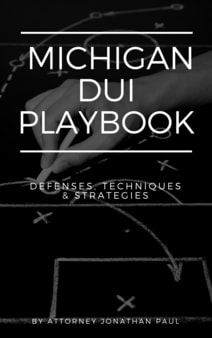
I am the author of The Michigan DUI Playbook, and I created a comprehensive resource for anyone facing a drunk driving charge at www.michiganduiplaybook.com. But beyond the law and the strategy, there is something just as important in these cases: how you are treated as a human being.
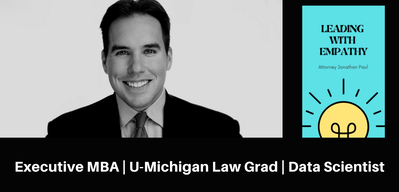
Why Empathy Matters in a DUI CaseA drunk driving charge can be overwhelming, embarrassing, and isolating. The legal process moves fast, the stakes are high, and many people feel judged before they ever step into court. An attorney who leads with empathy and compassion can make a real difference in how the case unfolds.
Understanding your perspective
A strong defense starts with listening. That means understanding what actually happened, the circumstances that led to the charge, and what matters most to you moving forward. Your goals are not one-size-fits-all, and your defense shouldn’t be either.
Reducing stigma
A DUI charge does not define who you are. When clients are treated with respect instead of judgment, they are better positioned to participate meaningfully in their defense and present themselves honestly and effectively to the court.
Finding practical solutions
An empathetic attorney looks beyond punishment and focuses on outcomes. That may include exploring treatment options, rehabilitation programs, community service, or other alternatives that align with both accountability and long-term success.
Building trust
Trust matters. When you feel heard and supported, you are more likely to be open, prepared, and engaged throughout the process. That trust directly impacts case strategy and results.
Providing steady support
From arraignment to resolution, a DUI case is stressful. Having someone explain the process, answer questions, and guide you through each step can reduce fear and help you make clear, informed decisions.
Drunk driving cases at the Ann Arbor 15th District Court are serious, but they are not hopeless. With the right legal strategy and an attorney who understands both the law and the human side of the process, it is possible to protect your future and move forward with dignity.
Drunk driving is one of the most common offenses among otherwise law-abiding individuals. A first-time offense can be a shocking, life-altering event for someone who respects the law, values their family, and has a strong moral compass. Understanding why a good person might make the poor choice to drive under the influence requires an exploration of psychological, social, and situational factors. By examining this behavior through the lens of criminological theories and real-world examples, we can better contextualize this mistake, providing insight into how individuals can learn, grow, and prevent recurrence.
Criminological Theories Applied to Drunk Driving
1. Rational Choice Theory (Derek Cornish and Ronald Clarke)
Key Idea: Individuals weigh the perceived risks and rewards of their actions before deciding whether to commit a crime.
2. Behavioral Economics (Daniel Kahneman and Amos Tversky)
Key Idea: Cognitive biases, such as overconfidence or present bias, influence decision-making, often leading to irrational choices.
3. Self-Control Theory (Michael Gottfredson and Travis Hirschi)
Key Idea: Low self-control, often influenced by poor impulse regulation, makes individuals more likely to engage in risky behavior.
4. Neutralization Theory (Gresham Sykes and David Matza)
Key Idea: People justify their actions through mental techniques that minimize their guilt or responsibility.
These thought patterns allow individuals to override their internal moral checks in the moment.
5. General Strain Theory (Robert Agnew)
Key Idea: Stress or strain, whether emotional, relational, or financial, can lead to deviant behavior as a way to cope.
Additional Factors Contributing to Drunk Driving
Situational Influences
Drunk driving often occurs due to situational factors that impair decision-making:
Lessons and Growth Opportunities
For a first-time drunk driving offender, the experience is often a wake-up call or what we might call insight and awareness.
The realization of how close they came to harming themselves or others can be deeply unsettling. Through reflection, accountability, and proactive steps, this moment can become a turning point.
Steps Toward Growth
Why Understanding These Theories Matters
Drunk driving is rarely the result of intentional recklessness. Instead, it often stems from a convergence of stress, impaired judgment, and situational factors that overwhelm a person’s usual values and decision-making. By understanding the psychological and social dynamics behind this choice, individuals can reflect on their actions, take responsibility, and implement safeguards to ensure it never happens again.
This is the essence of the Empathy-Compassion Defense Matrix—not just addressing just the legal consequences of the act but using the experience to grow, learn, and rebuild trust in oneself and the community. For good people who made a bad choice, this approach offers a path forward, turning a moment of poor judgment into an opportunity for lifelong change.
Call Me: 248-924-9458
Email Me: [email protected]
When you are charged with drunk driving in Michigan, it doesn’t feel like “just a case.” It feels like your entire future is on the line. And in many ways, it is.
I am the author of The Michigan DUI Playbook, and I created a comprehensive resource for anyone facing a drunk driving charge at www.michiganduiplaybook.com. But beyond the law and the strategy, there is something just as important in these cases: how you are treated as a human being.
Why Empathy Matters in a DUI CaseA drunk driving charge can be overwhelming, embarrassing, and isolating. The legal process moves fast, the stakes are high, and many people feel judged before they ever step into court. An attorney who leads with empathy and compassion can make a real difference in how the case unfolds.
Understanding your perspective
A strong defense starts with listening. That means understanding what actually happened, the circumstances that led to the charge, and what matters most to you moving forward. Your goals are not one-size-fits-all, and your defense shouldn’t be either.
Reducing stigma
A DUI charge does not define who you are. When clients are treated with respect instead of judgment, they are better positioned to participate meaningfully in their defense and present themselves honestly and effectively to the court.
Finding practical solutions
An empathetic attorney looks beyond punishment and focuses on outcomes. That may include exploring treatment options, rehabilitation programs, community service, or other alternatives that align with both accountability and long-term success.
Building trust
Trust matters. When you feel heard and supported, you are more likely to be open, prepared, and engaged throughout the process. That trust directly impacts case strategy and results.
Providing steady support
From arraignment to resolution, a DUI case is stressful. Having someone explain the process, answer questions, and guide you through each step can reduce fear and help you make clear, informed decisions.
Drunk driving cases at the Ann Arbor 15th District Court are serious, but they are not hopeless. With the right legal strategy and an attorney who understands both the law and the human side of the process, it is possible to protect your future and move forward with dignity.
Drunk driving is one of the most common offenses among otherwise law-abiding individuals. A first-time offense can be a shocking, life-altering event for someone who respects the law, values their family, and has a strong moral compass. Understanding why a good person might make the poor choice to drive under the influence requires an exploration of psychological, social, and situational factors. By examining this behavior through the lens of criminological theories and real-world examples, we can better contextualize this mistake, providing insight into how individuals can learn, grow, and prevent recurrence.
Criminological Theories Applied to Drunk Driving
1. Rational Choice Theory (Derek Cornish and Ronald Clarke)
Key Idea: Individuals weigh the perceived risks and rewards of their actions before deciding whether to commit a crime.
- Application to Drunk Driving:
Many first-time offenders believe they can manage the risks associated with drunk driving, whether due to overconfidence in their sobriety or a lack of awareness about the consequences. They rationalize their decision, often underestimating the potential harm. - Example of Behavior:
A professional at a work event has two drinks and decides to drive home because they feel fine and don’t want to leave their car behind. They rationalize, “It’s late, the roads are empty, and I’ve driven after more than this before.” This perceived control over the situation leads to a poor decision.
2. Behavioral Economics (Daniel Kahneman and Amos Tversky)
Key Idea: Cognitive biases, such as overconfidence or present bias, influence decision-making, often leading to irrational choices.
- Application to Drunk Driving:
Drunk driving often stems from present bias, where immediate convenience (getting home quickly) outweighs consideration of future consequences (arrest, injury, or death). Alcohol further impairs judgment, exacerbating this tendency. - Example of Behavior:
After a stressful day, a parent attends a gathering and has a few drinks. Despite feeling slightly impaired, they prioritize getting home to their children over waiting for a rideshare. The immediate need to be home feels more pressing than the potential risks of driving under the influence.
3. Self-Control Theory (Michael Gottfredson and Travis Hirschi)
Key Idea: Low self-control, often influenced by poor impulse regulation, makes individuals more likely to engage in risky behavior.
- Application to Drunk Driving:
Alcohol consumption itself diminishes self-control, making it harder for individuals to adhere to their usual values or judgment. For first-time offenders, this temporary loss of control can lead to a choice that is inconsistent with their character. - Example of Behavior:
A college graduate celebrating a promotion has several drinks and initially plans to take a rideshare home. However, when leaving the event, they impulsively decide to drive their car home, thinking, “I just want to sleep in my own bed tonight.”
4. Neutralization Theory (Gresham Sykes and David Matza)
Key Idea: People justify their actions through mental techniques that minimize their guilt or responsibility.
- Application to Drunk Driving:
First-time offenders often rationalize their behavior to themselves, minimizing the harm or responsibility involved. These justifications allow them to reconcile their actions with their otherwise law-abiding self-image. - Example of Behavior:
- “I’m just a couple of miles from home; I’ll drive slowly.”
- “I’m not as drunk as some people who drive all the time. I’m fine.”
- “It’s not that big of a deal. I’ve handled worse situations.
These thought patterns allow individuals to override their internal moral checks in the moment.
5. General Strain Theory (Robert Agnew)
Key Idea: Stress or strain, whether emotional, relational, or financial, can lead to deviant behavior as a way to cope.
- Application to Drunk Driving:
Drunk driving can result from using alcohol as a coping mechanism for unresolved stress or strain, such as job pressure, relationship issues, or financial concerns. The act of driving home becomes part of an attempt to restore normalcy after a difficult day or week. - Example of Behavior:
A young professional under intense workplace stress attends a happy hour to unwind. After a few drinks, they drive home because they feel a need to wake up in their own bed and start the next day fresh, minimizing the impact of their stress.
Additional Factors Contributing to Drunk Driving
Situational Influences
Drunk driving often occurs due to situational factors that impair decision-making:
- Lack of a Plan: The individual did not arrange for alternative transportation before drinking.
- Social Pressures: Friends or peers encourage them to drive, downplaying the risks.
- Convenience Over Safety: Driving home seems easier than waiting for a rideshare or leaving the car overnight.
Lessons and Growth Opportunities
For a first-time drunk driving offender, the experience is often a wake-up call or what we might call insight and awareness.
The realization of how close they came to harming themselves or others can be deeply unsettling. Through reflection, accountability, and proactive steps, this moment can become a turning point.
Steps Toward Growth
- Understanding the “Why”
- Proactive Measures
- Restoring Trust
Why Understanding These Theories Matters
Drunk driving is rarely the result of intentional recklessness. Instead, it often stems from a convergence of stress, impaired judgment, and situational factors that overwhelm a person’s usual values and decision-making. By understanding the psychological and social dynamics behind this choice, individuals can reflect on their actions, take responsibility, and implement safeguards to ensure it never happens again.
This is the essence of the Empathy-Compassion Defense Matrix—not just addressing just the legal consequences of the act but using the experience to grow, learn, and rebuild trust in oneself and the community. For good people who made a bad choice, this approach offers a path forward, turning a moment of poor judgment into an opportunity for lifelong change.
Call Me: 248-924-9458
Email Me: [email protected]