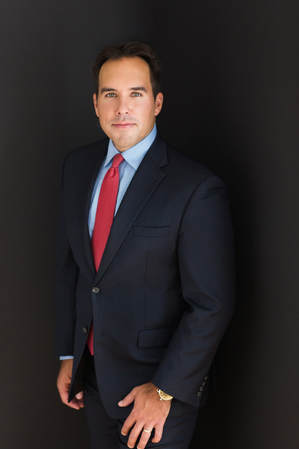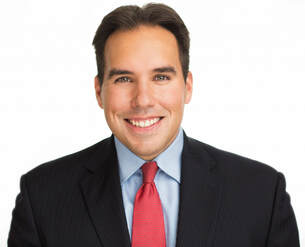
Family Man | Attorney | Author | Life CoachClick to Call Me: 248-924-9458My name is Jonathan Paul, and I am a problem-solver for my clients. As a criminal defense attorney, I am passionate about transforming what may be one of the worst moments of a client's life into an opportunity for reflection and growth.
As an entrepreneur and former prosecutor, I know how to turn liabilities into assets. I pride myself on delivering excellent customer service, leadership, and long-term success to my clients. When I work with a client, I view myself as both an attorney and coach, providing legal guidance and mental, emotional, and physical preparation for the journey ahead. I believe that every client has the potential to achieve a positive outcome, but it requires a game plan and a willingness to earn it. With my help, clients can embrace a growth mindset, turning a challenging situation into an opportunity to learn and reflect. I have successfully defended a wide range of clients, from doctors and attorneys to business professionals, military officers, and college athletes. My proactive approach to criminal defense in Michigan takes a stressful situation and turns it into a manageable set of goals with a clear plan in place. I believe that a single moment should not define a client's life, and that every person deserves a chance to make a true impression, based on their past, present, and future. My clients are not judged by their case, but by their family, career, reputation, and standing in the community. I work with clients to take proactive steps every day to improve their situation, using my role as a coach to guide their progress. If you find yourself facing criminal charges in Michigan, I am here to help you turn your situation around and achieve long-term success. |
My Books Available on Amazon.comAt our firm, we believe in focusing on our clients' journey and understanding how they ended up on the wrong side of the law. We lead with empathy and understanding, recognizing that our clients are not criminals, but good-hearted individuals who respect the law and want to be held in high regard. We work with a diverse pool of clients, partnering with them to take a proactive approach to every case.
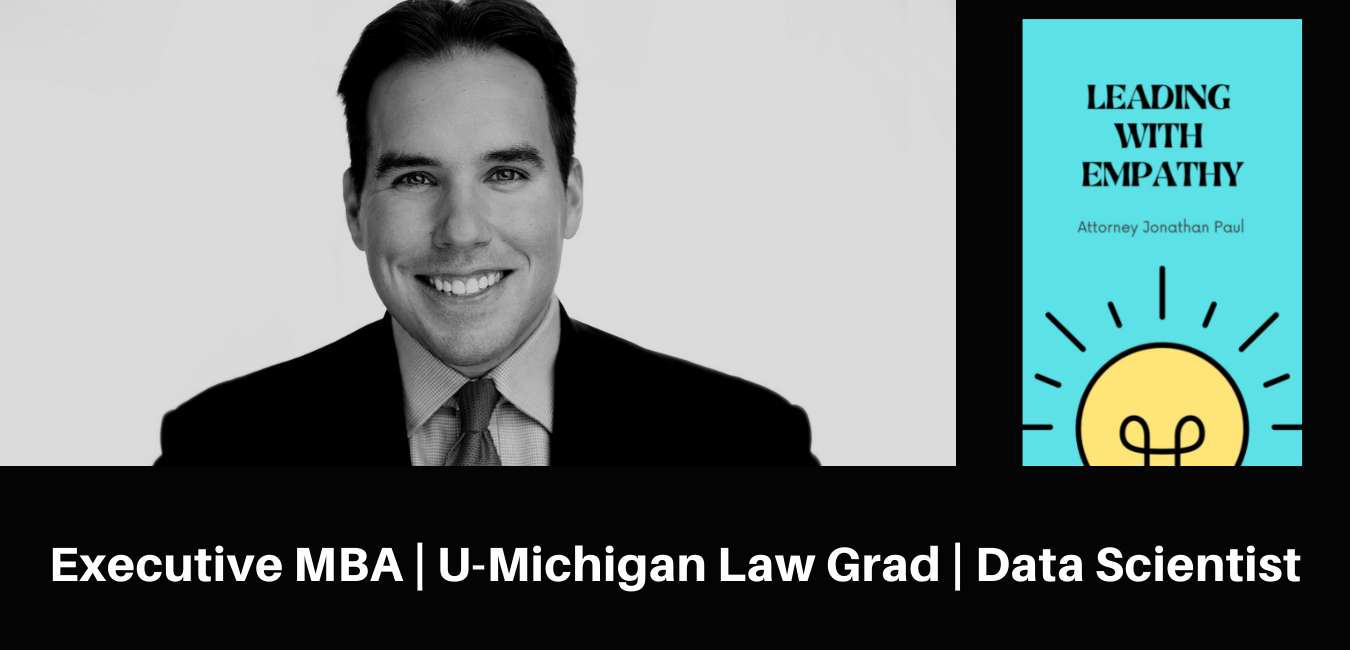
As a former NYC and Michigan prosecutor with over a decade of experience in criminal defense, I don't like using the "criminal" label with my clients. My clients are not defined by their mistake, but by their willingness to take ownership and control of their situation. They may be frightened and embarrassed, worried about their uncertain future, and concerned about the poor "first impression" they may have made with the legal system. My goal is to empower each client to make a "true impression" and understand how they ended up where they are. We provide them with the tools to show rather than tell what they have learned from their incident and where they are going in the future. There's nothing more fulfilling than hearing a prosecutor and judge praise my client for taking control of their situation. Our clients excel in the criminal justice system because they are mere visitors; having the right exit strategy is key to navigating this challenging moment in their lives. We approach every case with cutting-edge best practices, using the expertise I've gained from earning an Executive MBA degree from Michigan's Ross School of Business and studying at MIT Sloan School of Management and the Stanford Graduate School of Business. Our approach has been recognized by Super Lawyers Magazine, which selects only the top 2.5 percent of attorneys in Michigan. My selection by Super Lawyers Magazine has been featured in Hour Detroit Magazine and the New York Times. Additionally, my work as a Michigan criminal defense lawyer has earned me a "Superb" 10.0 Avvo Rating. You only get one chance to handle your case. At our firm, we believe in taking a proactive, empathetic approach to help our clients achieve their goals and move forward in a positive direction. |
Most people who walk into my office don’t see themselves as “criminals.”
They’re parents. Professionals. Students. Business owners. Caregivers. Neighbors. People who made a mistake — sometimes under pressure, sometimes in a moment they wish they could rewind — and now find themselves facing the most stressful chapter of their lives.
The criminal justice system, however, doesn’t see context right away. It sees a police report. A charge. A case number.
That disconnect creates what I call a visibility gap — the gap between who a person truly is and how they appear to the system at first glance.
My job is to bridge that gap.
Not with excuses. Not with spin. But with a proactive, intentional plan that allows my clients to show the court who they are, what they’ve learned, and where they’re headed.
The First Impression Problem
Most clients come to me terrified that they made the worst first impression imaginable.
And here’s the hard truth: you don’t get to redo that first moment.
But you do get the opportunity to make a true impression.
That’s where our work begins.
Seeing the Person, Not the Label
I don’t label my clients as criminals.
As a criminologist and defense attorney, I study why good people make bad choices — and more importantly, how systems, stressors, environments, and human psychology intersect in moments that lead to legal trouble.
My clients are often frightened, embarrassed, and deeply worried about their future. They’re not hiding. They’re not proud of what happened. They want to be held in high regard again — by their family, their employer, and the court.
We lead with empathy because shame shuts people down. Growth requires honesty, clarity, and direction.
Your Strengths Still Matter — Even Here
Before someone ever meets the criminal justice system, they already have a life.
They have values. Relationships. Careers. Responsibilities. Skills. Community ties. Personal standards.
Those strengths don’t disappear just because a charge exists.
The problem is that the system doesn’t automatically see them.
So we make them visible — ethically, strategically, and authentically.
We do this by identifying what already matters in your life and building a proactive plan that aligns with who you are and where you’re going.
From Reaction to Proactive Control
Waiting and worrying feels powerless. It’s also rarely effective.
Our approach is proactive by design. Together, we work through:
This isn’t about checking boxes. It’s about growth that can be shown, not just promised.
Judges and prosecutors don’t want speeches. They want evidence that something has changed.
Coaching as a Legal Advantage
I view my role as both attorney and coach.
Coaching is the art of facilitating learning, development, and performance during a challenging moment. That’s exactly what a criminal case is — a high-stakes moment where decisions matter and self-awareness can change outcomes.
Through coaching, clients:
The goal is to close the gap between potential and current reality — not just legally, but personally.
Why Good People Make Bad Choices: A Human Lens
Every case is different. Sometimes one explanation fits. Sometimes none do. Often, it’s a mix.
Understanding these patterns helps us build a plan that fits you, not a stereotype.
Routine Activity Theory
Developed by Lawrence E. Cohen and Marcus Felson, this theory explains how circumstances create opportunity.
A lack of safeguards. A bad environment. No exit strategy.
Drunk driving, shoplifting, and impulsive decisions often happen when opportunity meets vulnerability — not because someone set out to break the law.
Social Learning Theory
Popularized by Albert Bandura and expanded in criminology by Ronald Akers, this theory looks at how behavior is learned through environment and reinforcement.
People don’t act in a vacuum. Peer influence matters — especially in moments involving alcohol, conflict, or pressure.
Self-Control Theory
Developed by Michael R. Gottfredson and Travis Hirschi, this theory focuses on impulsivity and short-term thinking.
Many offenses aren’t about character — they’re about a failure to pause in a critical moment.
Labeling Theory
Advanced by Howard Becker, this theory warns against defining people by their worst act.
Once someone is labeled, that label can shape future behavior and outcomes. We work actively to prevent that identity from taking hold.
Social Bond Theory
Also developed by Travis Hirschi, this theory emphasizes the power of family, work, and community ties.
Strong bonds protect people. Weak or strained bonds increase risk — which is why rebuilding connection is often part of the solution.
Behavioral Economics
Led by thinkers like Daniel Kahneman and Amos Tversky, this field explains why smart people make irrational choices.
Overconfidence. Present bias. Poor risk assessment.
Understanding these biases helps prevent repeat mistakes.
Peer Influence and Social Norms
Research by Solomon Asch and Stanley Milgram shows how social pressure shapes behavior.
Many cases involve group dynamics — not malicious intent.
Strain Theory
Introduced by Robert K. Merton, this theory explains how pressure and blocked opportunities lead to poor decisions.
Financial stress, emotional strain, and exhaustion matter.
Rational Choice Theory
Rooted in the work of Cesare Beccaria and modernized by Derek Cornish and Ronald Clarke, this theory looks at cost-benefit thinking.
Many offenses are calculated — just badly calculated.
Neutralization Theory
Developed by Gresham Sykes and David Matza, this theory explains how people temporarily justify behavior they know is wrong.
Recognizing these mental shortcuts helps clients take ownership and move forward.
Making a True Impression
Courts don’t just punish — they evaluate.
When a judge or prosecutor sees a client who understands their behavior, has taken responsibility, and is actively working to prevent repeat mistakes, the conversation changes.
There is nothing better than hearing a prosecutor or judge acknowledge that a client has stepped up and taken control of their situation.
That doesn’t happen by accident.
It happens through preparation, intention, and guidance.
You’re a Visitor — Have an Exit Strategy
My clients don’t belong in the criminal justice system. They are visitors.
And like any difficult place you don’t plan to stay, you need an exit strategy.
You only get one chance to handle your case.
How you approach it matters.
If you’re facing charges and want more than damage control — if you want clarity, dignity, and a path forward — we’ll walk that road together.
Not as criminals.
As people ready to reclaim their story.
They’re parents. Professionals. Students. Business owners. Caregivers. Neighbors. People who made a mistake — sometimes under pressure, sometimes in a moment they wish they could rewind — and now find themselves facing the most stressful chapter of their lives.
The criminal justice system, however, doesn’t see context right away. It sees a police report. A charge. A case number.
That disconnect creates what I call a visibility gap — the gap between who a person truly is and how they appear to the system at first glance.
My job is to bridge that gap.
Not with excuses. Not with spin. But with a proactive, intentional plan that allows my clients to show the court who they are, what they’ve learned, and where they’re headed.
The First Impression Problem
Most clients come to me terrified that they made the worst first impression imaginable.
- An officer saw them at their lowest.
- A prosecutor received a report written on a bad night.
- A judge hasn’t met them yet — but the file already tells a story.
And here’s the hard truth: you don’t get to redo that first moment.
But you do get the opportunity to make a true impression.
That’s where our work begins.
Seeing the Person, Not the Label
I don’t label my clients as criminals.
As a criminologist and defense attorney, I study why good people make bad choices — and more importantly, how systems, stressors, environments, and human psychology intersect in moments that lead to legal trouble.
My clients are often frightened, embarrassed, and deeply worried about their future. They’re not hiding. They’re not proud of what happened. They want to be held in high regard again — by their family, their employer, and the court.
We lead with empathy because shame shuts people down. Growth requires honesty, clarity, and direction.
Your Strengths Still Matter — Even Here
Before someone ever meets the criminal justice system, they already have a life.
They have values. Relationships. Careers. Responsibilities. Skills. Community ties. Personal standards.
Those strengths don’t disappear just because a charge exists.
The problem is that the system doesn’t automatically see them.
So we make them visible — ethically, strategically, and authentically.
We do this by identifying what already matters in your life and building a proactive plan that aligns with who you are and where you’re going.
From Reaction to Proactive Control
Waiting and worrying feels powerless. It’s also rarely effective.
Our approach is proactive by design. Together, we work through:
- Understanding how you arrived at this moment
- Identifying patterns, pressures, or blind spots
- Addressing risk factors directly and responsibly
- Demonstrating insight, accountability, and forward motion
This isn’t about checking boxes. It’s about growth that can be shown, not just promised.
Judges and prosecutors don’t want speeches. They want evidence that something has changed.
Coaching as a Legal Advantage
I view my role as both attorney and coach.
Coaching is the art of facilitating learning, development, and performance during a challenging moment. That’s exactly what a criminal case is — a high-stakes moment where decisions matter and self-awareness can change outcomes.
Through coaching, clients:
- Gain clarity instead of panic
- Understand choices instead of feeling stuck
- Replace defensiveness with responsibility
- Turn a legal crisis into a turning point
The goal is to close the gap between potential and current reality — not just legally, but personally.
Why Good People Make Bad Choices: A Human Lens
Every case is different. Sometimes one explanation fits. Sometimes none do. Often, it’s a mix.
Understanding these patterns helps us build a plan that fits you, not a stereotype.
Routine Activity Theory
Developed by Lawrence E. Cohen and Marcus Felson, this theory explains how circumstances create opportunity.
A lack of safeguards. A bad environment. No exit strategy.
Drunk driving, shoplifting, and impulsive decisions often happen when opportunity meets vulnerability — not because someone set out to break the law.
Social Learning Theory
Popularized by Albert Bandura and expanded in criminology by Ronald Akers, this theory looks at how behavior is learned through environment and reinforcement.
People don’t act in a vacuum. Peer influence matters — especially in moments involving alcohol, conflict, or pressure.
Self-Control Theory
Developed by Michael R. Gottfredson and Travis Hirschi, this theory focuses on impulsivity and short-term thinking.
Many offenses aren’t about character — they’re about a failure to pause in a critical moment.
Labeling Theory
Advanced by Howard Becker, this theory warns against defining people by their worst act.
Once someone is labeled, that label can shape future behavior and outcomes. We work actively to prevent that identity from taking hold.
Social Bond Theory
Also developed by Travis Hirschi, this theory emphasizes the power of family, work, and community ties.
Strong bonds protect people. Weak or strained bonds increase risk — which is why rebuilding connection is often part of the solution.
Behavioral Economics
Led by thinkers like Daniel Kahneman and Amos Tversky, this field explains why smart people make irrational choices.
Overconfidence. Present bias. Poor risk assessment.
Understanding these biases helps prevent repeat mistakes.
Peer Influence and Social Norms
Research by Solomon Asch and Stanley Milgram shows how social pressure shapes behavior.
Many cases involve group dynamics — not malicious intent.
Strain Theory
Introduced by Robert K. Merton, this theory explains how pressure and blocked opportunities lead to poor decisions.
Financial stress, emotional strain, and exhaustion matter.
Rational Choice Theory
Rooted in the work of Cesare Beccaria and modernized by Derek Cornish and Ronald Clarke, this theory looks at cost-benefit thinking.
Many offenses are calculated — just badly calculated.
Neutralization Theory
Developed by Gresham Sykes and David Matza, this theory explains how people temporarily justify behavior they know is wrong.
Recognizing these mental shortcuts helps clients take ownership and move forward.
Making a True Impression
Courts don’t just punish — they evaluate.
When a judge or prosecutor sees a client who understands their behavior, has taken responsibility, and is actively working to prevent repeat mistakes, the conversation changes.
There is nothing better than hearing a prosecutor or judge acknowledge that a client has stepped up and taken control of their situation.
That doesn’t happen by accident.
It happens through preparation, intention, and guidance.
You’re a Visitor — Have an Exit Strategy
My clients don’t belong in the criminal justice system. They are visitors.
And like any difficult place you don’t plan to stay, you need an exit strategy.
You only get one chance to handle your case.
How you approach it matters.
If you’re facing charges and want more than damage control — if you want clarity, dignity, and a path forward — we’ll walk that road together.
Not as criminals.
As people ready to reclaim their story.